Why grinding fresh with a quality grinder is perhaps the single most important step in making great coffee.
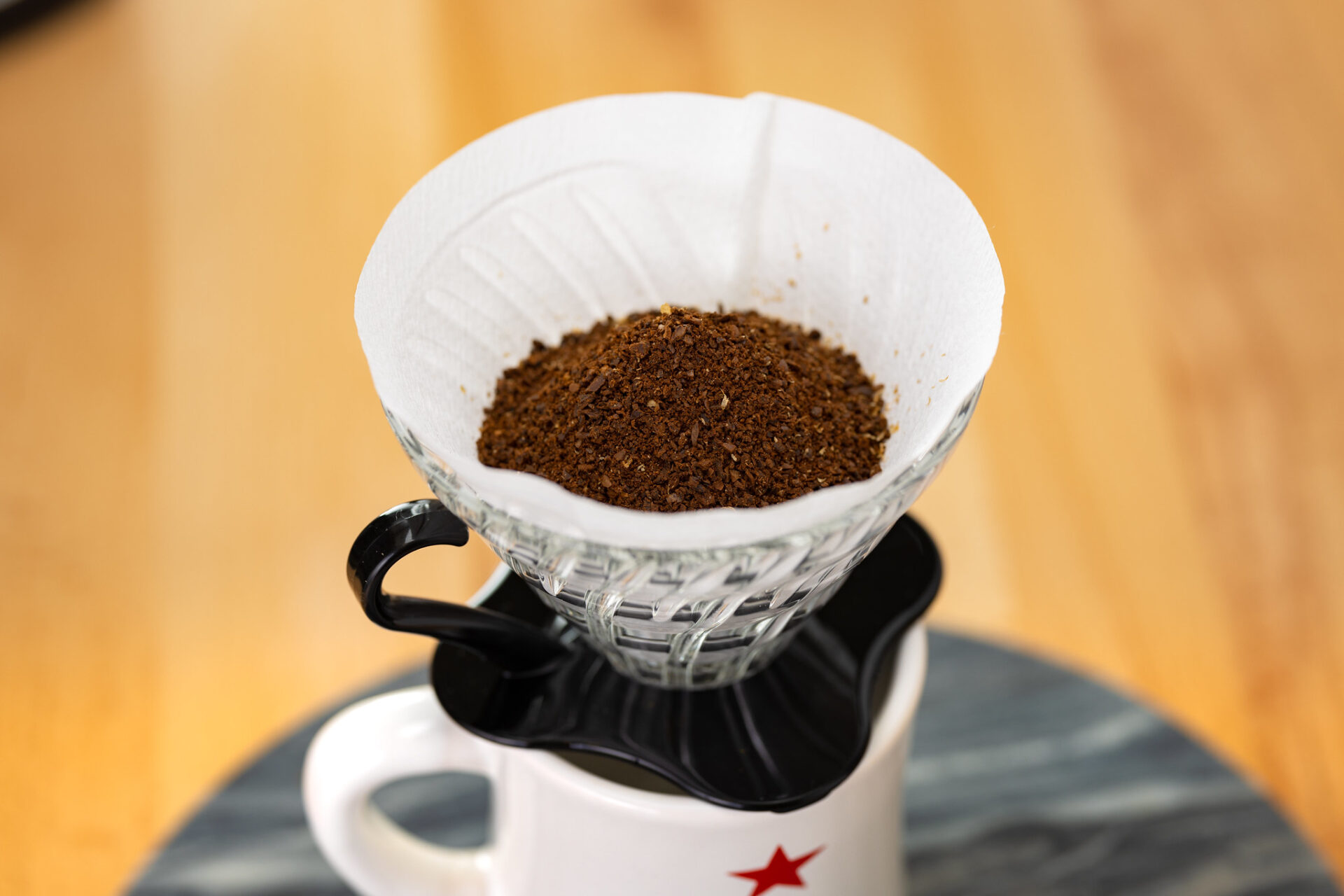
Start with Fresh Whole Beans
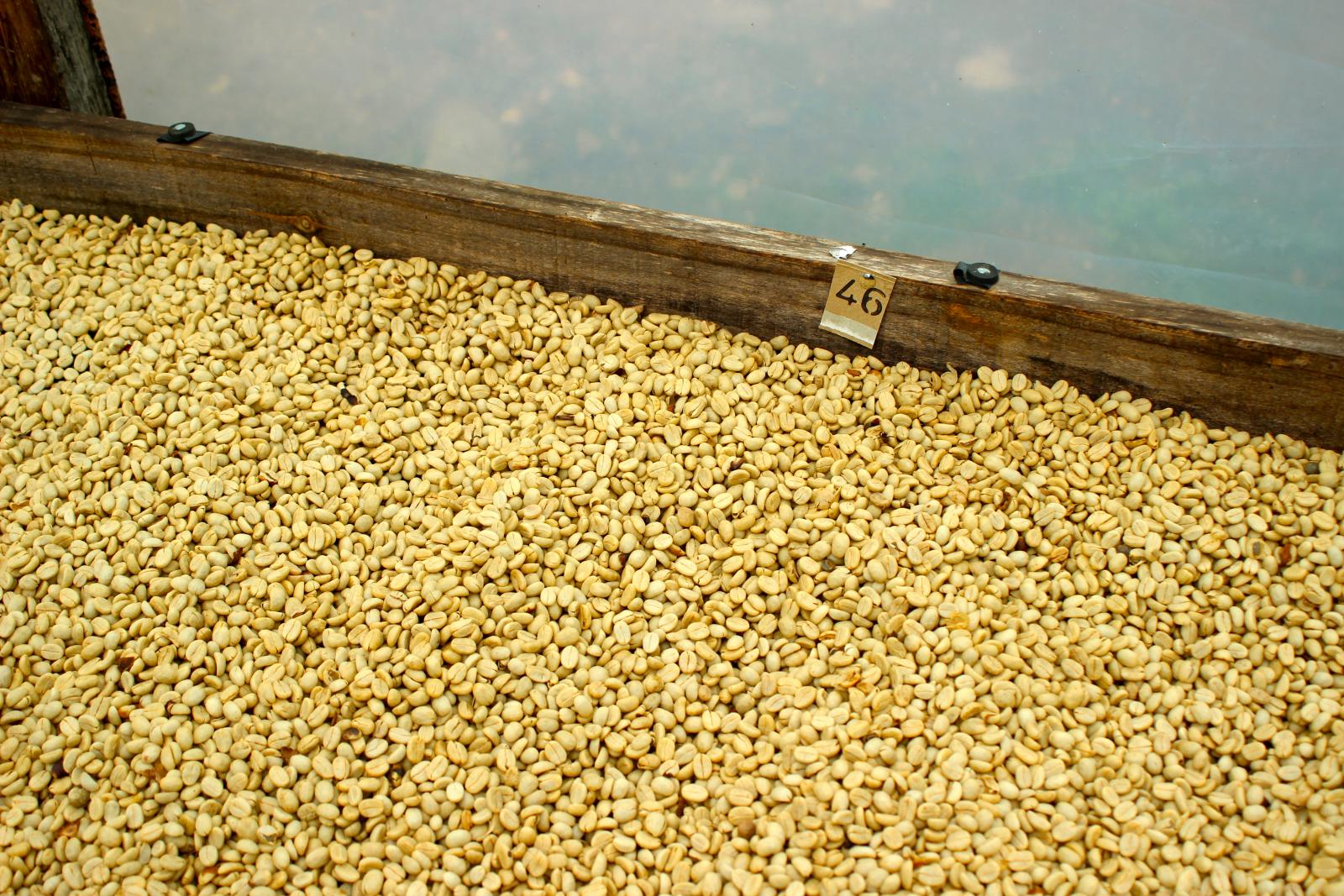
What everyone refers to as coffee “beans” are actually not beans, but the inner seeds of a piece of coffee fruit. Roasters and green coffee sourcers often refer to these small, usually reddish coffee berries as “cherries” – and each cherry will contain two seeds. There are exceptions to this in both the color of the cherries and the number of seeds contained therein, but the core idea is the same- coffee is actually more akin to fresh produce than to a dried legume that can be stored seemingly indefinitely.
“People treat it like a bean, like it’s a dried thing you can have in your cupboard forever,” says Eileen Rinaldi, founder and CEO of Ritual. “That’s not true.” At Ritual we encourage our customers to buy only freshly roasted coffee that has been harvested within the past year and roasted ideally within the last week up to a month.

Air is the enemy, light and heat aren’t great either…
Oxygen is no doubt one of the most vital substances on the planet in order to sustain life, but when it comes to roasted coffee, the air we breathe is actually highly detrimental to the components in coffee that give it its unique flavor profile and delectable aromatics. Why? Oxidation.
As also evidenced with many other products of the earth, oxidation exists to break down what has been built up, and fresh coffee grounds are no different. Air contact further degrades and dries out the flavor molecules in coffee, making it taste stale and flat – the same thing happens to bread and cereal, apples and nuts.
And mathematically speaking, grinding coffee produces exponentially more surface area in the same weighted portion of coffee as compared to whole beans, and that means exponentially more oxidation of those surfaces. Whole beans lock much of the coffee flavor inside the bean where air cannot encounter it as easily. If you love the flavor of coffee, then buying whole beans and grinding them as close to the brew time as possible is of prime importance.
Then there’s the smell
Aromatics- those compounds that give coffee its wonderful aroma, well many of them unique to a particular coffee are released right when the coffee is ground. That’s why specialty coffee shops tend to smell so darn good as soon as you walk in the door. Sure it’s the coffee brewing, that also is aromatic, but it’s all that grinding going on that releases the aromatic compounds we associate with what makes coffee taste delicious – taste and smell are directly intertwined and symbiotic in nature. The crazy thing is that aromatic compounds in coffee dissipate after only about 15 minutes! We better get brewing.


Not all grinders are created equal
Sure, you can crush whole bean roasted coffee in a mortar and pestle or go at it with a ball-peen hammer, but for optimum consistency and thus optimum flavor extraction, you’re going to want to macerate your beans with a quality burr grinder. One of those cylindrical rotating blade grinders isn’t going to cut it – precisely because the blade is going to cut it, and by no means in a consistent fashion. Chopping coffee in this way creates wildly uneven particles, and they will all extract into your final brew at different rates, causing the sharp, bitter, or sour flavors associated with under or over-extracted light to medium roast coffee. You may not notice this with the donut shop’s French Roast, but it can be disastrous and disappointing with specialty coffees. That said, grinding fresh with any type of grinder is going to improve the taste of your coffee, period.
Why Burrs?
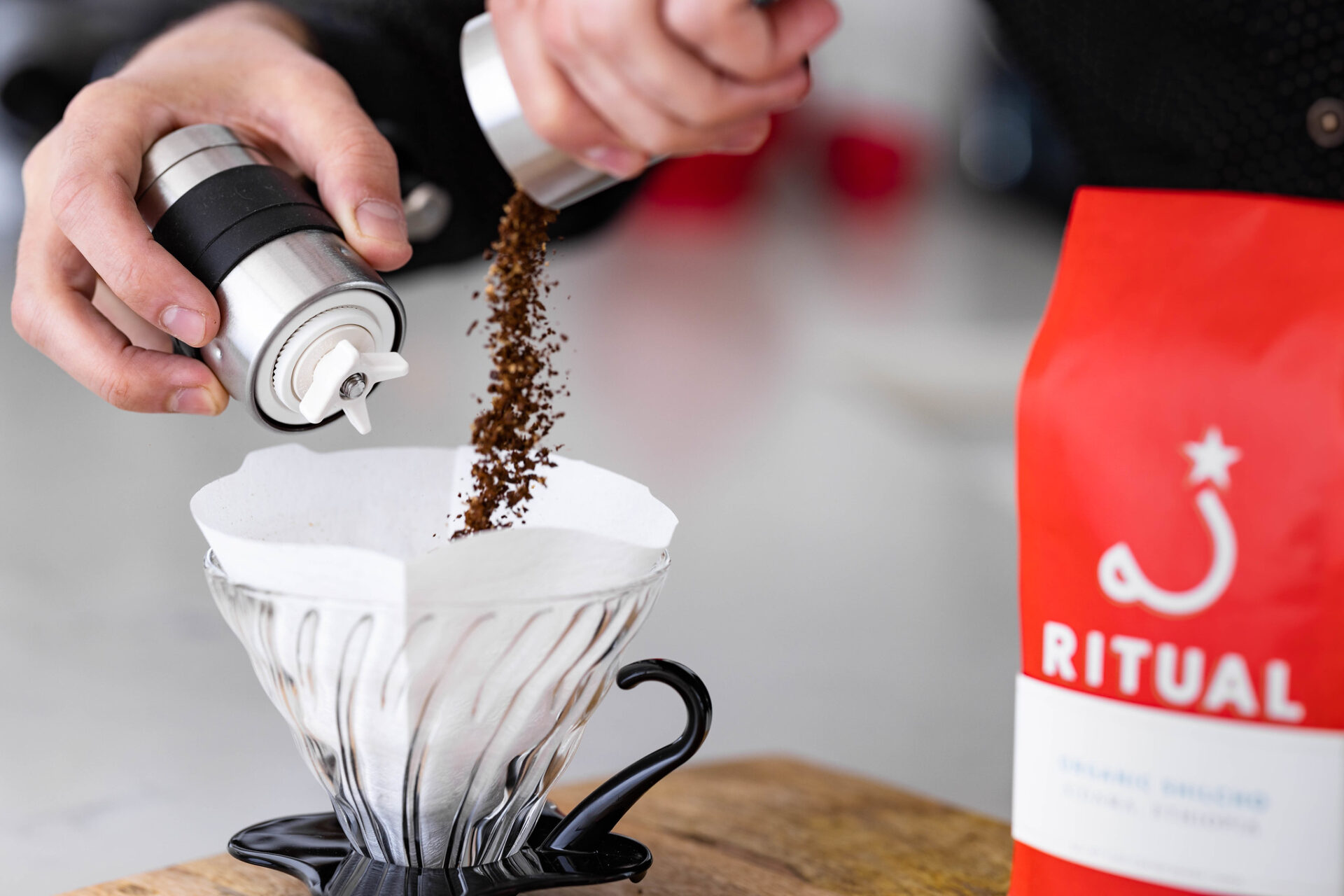
Burrs are actually wheels or mated cones that crush as they cut- one burr is fixed and the other burr rotates, while both burrs are crafted with rows of what amounts to very sharp tiny knives. These can be crafted from various materials like steel or even ceramic. The positioning of the moving burr in relation to the fixed burr is what creates the particle size, adjustable from very coarse to very fine, though the range of adjustability and thus versatility does depend on the type of grinder. We offer a quality Japanese hand-operated grinder that is capable of even powdery fine Turkish grounds, but it will take you a bunch of time and consistent hand strength to achieve this.
Our Recommendation
More convenient and affordable for home use is a quality electric motor conical burr grinder like the Baratza Encore. The Encore has 40 individual grind settings from very coarse to espresso, designed in Seattle with precision European conical burr sets.
Conical burrs have a cone shape that spins more slowly than a flat wheel burr, reducing the heat transferred to the grounds and offering a highly consistent even particle size. This makes the extraction of the coffee much easier. Also, conical burr grinders tend to be quieter than flat burrs, if that’s a consideration.
The Bottom Line
Get yourself a grinder and be well on the way to brewing perfect coffee, every time you brew.